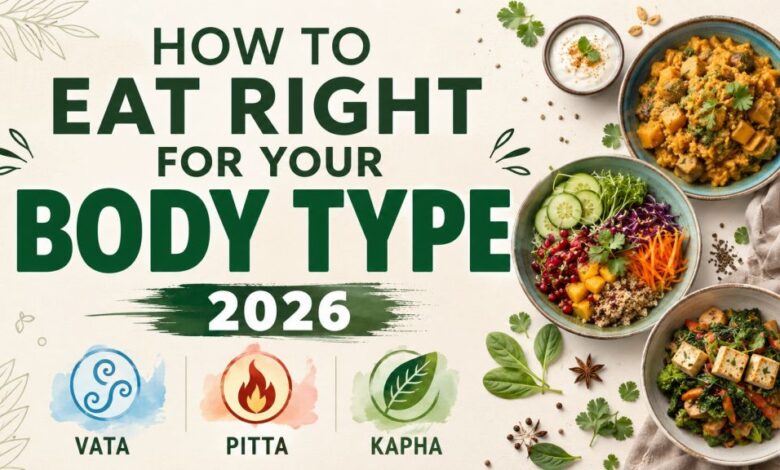
Vata, Pitta, Kapha Diet: How to Eat Right for Your Body Type in 2026
You typed something like “Vata Pitta Kapha diet” because you’re tired of random ayurvedic tips and want one clear answer: what should I actually eat. You’re in the right place. This guide is built to do exactly that translate dosha theory into plates, not poetry.
By the end, you’ll know how to figure out which dosha is dominating your body right now, what that actually means for your meals, and how to adjust breakfast, lunch, and dinner without turning your life into a wellness project. We’ll also talk about mixed types (Vata-Pitta, Pitta-Kapha, etc.), because almost nobody is “pure Vata” anything.
The confusing part and what makes people give up is that you’ll see three different charts with opposite food lists and no one tells you which one to follow on a bad day. We’ll fix that by focusing on current imbalance (what’s flaring now), not some personality quiz result from last year. You’re on a health site that cares about practical Ayurvedic nutrition for 18-35 year olds, so this will stay in the real world: office schedules, food delivery, hostel kitchens, Indian and global menus, all allowed.
What This Topic Really Is and Why It Matters Now
In plain language, “Vata, Pitta, Kapha diet” means: using food to balance the three main patterns in your body movement (Vata), heat (Pitta), and structure (Kapha). Everyone has all three, but in different ratios. When one goes out of balance, you feel it as dryness, heat, heaviness, anxiety, anger, sluggishness, or a mix. The diet isn’t a trend; it’s a way to stop pouring fuel on whatever is already too high.
Right now, this matters more because lifestyle is basically a dosha aggravation machine: irregular sleep and meals spike Vata, constant screens and stress push Pitta, and sitting + junk food load Kapha. Modern research has even started linking prakriti (body type) patterns to metabolism and disease risk, suggesting these old categories reflect real differences in how our bodies work.
Read Also 10 Desi Home Remedies for Acidity (2026 List)
Eating for your type means:
- Vata-heavy people get warm, moist, grounding foods that calm wind and anxiety.
- Pitta-heavy people get cooling, less oily, less spicy food to calm heat and inflammation.
- Kapha-heavy people get light, warm, more stimulating food that cuts sluggishness and mucus.
The thing nobody tells you: you don’t eat for your “birth chart” all the time. You eat for the dosha that is currently misbehaving we’ll get to the exact process of how to spot that in the “How it actually works” section.
Who This Is For and Who Should Skip It
This guide is not for everyone, and that’s on purpose. Let’s be clear.
- People with lifestyle-driven issues.
If you have acidity, bloating, constipation, oily skin, breakouts, random weight swings, sugar cravings, sleep issues but no major diagnosed disease this is your zone. Dosha-based diet shifts can make a visible difference here. - People aged roughly 18-35 trying to “clean up” their base diet.
You might gym, you might not, but you know that what you’re eating right now isn’t working. You want a system that makes sense without needing exotic imports. - People okay with guidance, not prescriptions.
These patterns can guide your choices, but they are not a replacement for a doctor, lab tests, or prescribed treatments if you have serious conditions. - People willing to notice their body.
If you won’t honestly track how you feel after eating, you won’t get much from this. Ayurveda assumes you’re paying attention.
Skip this as your main tool if:
- You have serious medical conditions like uncontrolled diabetes, kidney disease, severe IBS, or are pregnant you can still borrow ideas, but your main plan must come from your doctor.
- You want an exact, unchanging “Vata diet chart” to follow for 5 years without thinking. This guide won’t do that to you.
If you’re a generally healthy adult dealing with modern food and modern stress, and you’d like your meals to stop working against your body type, this article is written for you.
Read Also: What happens if you don’t eat anything for 7 days
How It Actually Works Complete Process
Think of this as a 4-step loop you can repeat whenever life changes:
Step 1: Notice what’s actually wrong now
First, ignore your dosha quiz result and ask: what’s loudest in your body this month?
- Vata-type imbalance: dry skin, gas, constipation, anxiety, insomnia, restlessness, feeling cold, random pains.
- Pitta-type imbalance: acidity, burning, loose motions, anger, irritability, acne, feeling hot, headaches.
- Kapha-type imbalance: heaviness, sluggishness, weight gain, fluid retention, excess mucus, oversleeping, brain fog.
When you actually do this, you’ll find one pattern usually shouts louder. That’s your current focus, even if your “personality” is something else.
Step 2: Apply the “law of opposites”
Ayurveda’s core rule is boring and brilliant: you calm a quality by giving its opposite.
- Vata is cold, light, dry, rough, irregular → give warm, moist, nourishing, oily, regular food.
- Pitta is hot, sharp, oily, intense → give cool, mild, less oily, more sweet/bitter/astringent food.
- Kapha is heavy, cold, slow, moist → give light, warm, drying, mildly spicy, stimulating food.
This is where most guides get vague. In practice this means you don’t chase magical ingredients; you adjust temperature, cooking style, spice level, fat level, and portion.
Step 3: Match your plate to your current dominant dosha
Using that law, you build meals:
- For Vata-heavy days:
- Warm, moist dishes like soups, dals, stews, khichdi, porridges.
- Favor sweet, sour, and salty tastes from natural sources root vegetables, grains, a bit of good salt, a squeeze of lemon, curd in moderation.
- Healthy fats like ghee, sesame oil, or olive oil to counter dryness.
- Avoid cold salads, dry snacks, iced drinks, and erratic meal times.
- For Pitta-heavy days:
- Cooling but cooked foods: gourds, leafy greens, bitter veggies, sweet fruits (not very sour).
- Sweet, bitter, astringent tastes from grains, legumes, and vegetables; go easy on chili and sourness.
- Light, cooling oils like ghee or sunflower in moderate amounts.
- Avoid very spicy, fried, sour, fermented, and alcohol/smoking where possible.
- For Kapha-heavy days:
- Light, warm, dry-ish meals: steamed/sauteed veggies, lentils, lighter grains like barley, millet, quinoa.
- More bitter, pungent, and astringent tastes spices, greens, pulses.
- Little oil, no heavy creams, fewer sweets.
- Avoid heavy, oily, very sweet, cold foods and constant snacking.
Step 4: Watch what happens for 2-4 weeks and adjust
This is the part most people skip: you test and tweak. For 2-4 weeks, you:
- Pick one dosha to balance first.
- Adjust 1-2 meals a day according to the patterns above.
- Notice energy, digestion, sleep, mood, skin.
If your main symptoms calm down, you keep going. If something else starts shouting (for example, Pitta cools but Vata spikes and you get constipated), you gently shift towards that dosha’s pattern next.
What nobody warns you about here is that mixed types (like Vata-Pitta) often need seasonal flips: heavier Vata-calming food in dry cold months, more Pitta-calming food in hot months. Once you see this as a cycle, not a fixed “chart,” the whole thing stops feeling like a puzzle.
Comparison Table Vata, Pitta, Kapha Diets Side by Side
Core Dosha Diet Patterns
| Option | Key Feature | Best For | Limitation | Verdict |
| Vata-balancing diet | Warm, moist, grounding, oily, regular meals. | Dryness, anxiety, gas, constipation, insomnia. | Can feel heavy if overdone or in hot, humid weather. | Great if you feel scattered and cold. |
| Pitta-balancing diet | Cooling, less oily, mildly spiced, more bitters. | Acidity, heat, anger, acne, loose motions. | Can feel too light or cold for Vata-prone people. | Ideal if you “run hot” and irritable. |
| Kapha-balancing diet | Light, warm, dry-ish, stimulating, low-sugar. | Sluggishness, weight gain, mucus, heaviness. | Hard to stick to if you love creamy, sweet foods. | Best if you feel stuck, slow, and heavy. |
If you’re mostly hot, intense, and prone to acidity or rashes, Pitta-balancing food will usually feel right. If you’re wired, anxious, and dry, Vata-balancing is your base. If you feel slow, heavy, and unmotivated, Kapha-balancing is the sharp tool that wakes your system up.
Real Benefits With Numbers and Specifics
When you eat in line with your current dosha pattern, benefits show up in annoyingly practical ways: how often you run to the bathroom, how bloated you feel at night, how many alarms you need in the morning. Studies looking at prakriti show links between different body types and metabolism, inflammation, and chronic disease risk, which means you’re not just changing “energy,” you’re likely nudging real pathways.
For a Vata-focused person who switches from cold snacks and erratic eating to warm, regular meals, constipation frequency can drop from several times a week to once in a while, and sleep often becomes deeper within 2-3 weeks. When you do this, you’ll find that your “random” anxiety attacks often line up with skipped meals and cold food.
Pitta-dominant people who shift away from daily chili/oil overload towards more cooling, bitter, and astringent foods often see acidity attacks sharply reduce, and breakouts or rashes ease over a month or two. Kapha-dominant people who cut constant snacking, sweets, and heavy dairy and move to lighter grains and spices usually see less morning mucus and more alertness in 2-4 weeks, with weight trends improving over months.
A benefit most articles ignore: decision fatigue reduces. Once you know “I’m in a Pitta flare, so today I avoid fried and very spicy,” every menu becomes easier fewer arguments with yourself, more default choices that work for you.
Beginner Mistakes Most People Make and the Fix
1. Treating the quiz result as a life sentence
People take one online dosha quiz, get “Pitta type,” and then eat a Pitta-balancing diet all year even when they’re freezing, anxious, and constipated. In reality, your current imbalance matters more than your base type. Fix: every month, check your top 3 symptoms and pick the dosha that matches those now, even if your quiz says something else.
2. Forgetting that all three doshas live in you
Beginners behave as if they must “kill” one dosha. So Kapha-prone people go extreme with spicy, dry, low-fat diets and crash their Vata. Pitta-people go ice-cold everything and wreck their digestion. Consequence: you trade one set of problems for another. Fix: think “reduce a bit, not delete.” You are calming excess, not erasing a part of your system.
3. Copying someone else’s “perfect ayurvedic plate”
Your friend’s Vata-friendly ghee-heavy khichdi might make your Kapha-dominant body feel like a sandbag. Or your sibling’s raw salad habit might be fine for their Kapha but wreck your Vata digestion. Fix: use examples as inspiration, then check your signals: warmth vs cold, light vs heavy, energy vs crash. Adjust for you.
4. Ignoring meal timing because “food list is enough”
Many people obsess over the “allowed/avoid” list and still skip breakfast, eat one huge dinner, and snack all night. That pattern wrecks all three doshas no matter how “correct” your ingredients are. Fix: follow a basic schedule light breakfast, biggest meal at midday, smaller dinner, limited snacking. This alone can calm a lot of chaos.
5. Going raw and cold because it feels “healthy”
Salads, smoothies, and juices feel clean, but for Vata- and Kapha-prone people, constant cold, raw food can spike gas, bloating, and mucus. Fix: if you love raw, keep it small and pair with warm, cooked food, especially if you notice gas or chills afterward.
6. Expecting dramatic changes in three days
Ayurvedic diets work more like changing course of a ship than pressing a switch. Most visible benefits energy, digestion, skin show up over 2-8 weeks, not 48 hours. Fix: commit to 2-4 weeks per adjustment before judging it. Track 2-3 specific things (bloating, sleep, energy) instead of vaguely “feeling nothing.”
Expert Tips That Actually Work
1. Use temperature as your first setting
If you remember nothing else, match food temperature to your state: Vata and Kapha do better with warm food and drinks; Pitta usually prefers room-temperature or slightly cool, but not icy. This one change alone often calms a lot of digestive drama.
2. Season by dosha instead of changing your whole cuisine
Don’t change “Indian” to “Ayurvedic.” Just tweak spices:
- Vata: more warming spices like ginger, cumin, hing, but in ghee or oil.
- Pitta: milder, cooling herbs like coriander, fennel, mint, less chili.
- Kapha: more pungent spices (black pepper, ginger, mustard), less oil.
3. Eat “palm portion” meals, especially if Kapha or Pitta
A simple rule from ayurvedic teachers is that your meal should be roughly what fits in your two cupped palms enough, not overflowing. This stops Pitta from overeating and reduces Kapha heaviness, without needing scales or macros.
4. Rotate grains by dosha and season
Instead of living on only wheat or rice:
- Vata: oats, rice, wheat, cooked soft and with ghee.
- Pitta: barley, quinoa, basmati, lighter and not very oily.
- Kapha: barley, millet, buckwheat, dry roasted or lightly cooked.
This small grain shift often changes energy and digestion more than you expect.
5. Build one “safe meal” per dosha for bad days
Have three go-to options:
- Vata day: soft khichdi with ghee and root veg.
- Pitta day: rice, moong, and bitter/sweet veggies with minimal spice.
- Kapha day: lightly spiced moong soup with greens and barley or millet.
When you’re confused or tired, pick the dosha that’s loudest and eat that preset instead of overthinking.
6. Use snacks as medicine, not entertainment
If you must snack, let it match your dosha:
- Vata: handful of nuts, warm milk with spices.
- Pitta: sweet fruits, soaked raisins, light smoothies that aren’t ice-cold.
- Kapha: roasted chana, herbal tea, spiced buttermilk (low fat).
This stops snacks from randomly throwing your balance off.
7. Mindful eating is not a vibe, it’s a tool
Calm environment, chewing properly, and not multitasking during meals are standard Ayurvedic advice, now also echoed by modern gut experts. When you actually try this, you’ll notice dosha patterns more clearly like Vata anxiety when rushed or Pitta irritation when you eat angry.
8. Sync dosha and season instead of fighting both
Vata rises in dry, cold weather; Pitta in peak heat; Kapha in damp, cool conditions. If you know your own tendency plus the season, you can predict what will flare and prepare your meals before things get bad. That’s where Ayurvedic diet starts to feel like a cheat code.
Advanced Insights What Nobody Else Tells You
1. Mixed types need season-based priority
If you’re Vata-Pitta, you can’t follow both charts strictly. In practice, you might focus more on Vata-balancing in cold, dry months and Pitta-balancing in hot ones. Pitta-Kapha types often support Kapha more in late winter/spring and Pitta more in summer. The “which one first?” question is usually answered by weather plus symptoms.
2. Agni (digestive fire) matters more than the label on your dosha
Two people with “Pitta” can have very different digestion strength. Many classical and modern ayurvedic diets emphasize that how strong your digestive fire is should guide food quantity and heaviness more than just body type. If your digestion is weak, all three doshas benefit from simpler, fresher, well-cooked food in smaller portions.
3. Modern research is catching up slowly
Studies have started finding patterns between prakriti types and specific metabolic profiles, gene expressions, and disease risks. That doesn’t mean every chart online is perfect science, but it does mean there’s more than superstition here. When you treat dosha diet as a way to reduce inflammation, stabilize digestion, and match your metabolism, it fits surprisingly well with modern ideas of personalization.
4. “Tridoshic” foods are your backup plan
When life is chaotic or you’re not sure what’s up, some foods are relatively tridoshic they suit most people most of the time: moong dal, certain mild spices (coriander, fennel, turmeric in small amounts), seasonal vegetables, and simple grains. These are your safe default days when you don’t have the bandwidth to micromanage doshas.
Must Read this: Seasonal Fruits and Veggies Chart India (2026 Guide)
Frequently Asked Questions
How do I know my Ayurvedic body type for diet?
Most people start with an online prakriti test and then check it against real life. Look at your lifelong tendencies: body frame, digestion, sleep, energy, mood patterns. Vata types are usually lighter, drier, and more changeable; Pitta more medium-built, warm, and intense; Kapha more solid, calm, and slower to change. For diet, though, always prioritize your current symptoms over a quiz result.
What should a Vata body type eat daily?
Vata-dominant people do best with warm, cooked, moist, and slightly oily foods. Think soups, stews, khichdi, porridge, root vegetables, well-cooked grains, and healthy fats like ghee or sesame oil. Sweet, sour, and salty tastes in moderate amounts help, while cold, dry, raw foods, iced drinks, and irregular meals often make things worse.
What is the best diet for Pitta dosha?
Pitta-dominant people need cooling, mild, and not overly oily or spicy food. Favor bitter greens, gourds, sweet fruits (not very sour), lighter grains like barley and basmati, and legumes that don’t cause much gas. Use gentle spices like coriander and fennel, and go easy on red chili, very sour pickles, fried food, alcohol, and too much coffee.
What should Kapha body type avoid?
Kapha-dominant people usually need to avoid heavy, oily, very sweet, and cold foods, as these increase sluggishness and mucus. That includes large quantities of fried items, creamy dairy, rich desserts, and constant snacking, especially at night. Lighter grains (barley, millets), pulses, greens, and warm, spiced meals work better than dense, cold or very sweet options.
Can I be more than one dosha type?
Yes, many people are mixed types like Vata-Pitta, Pitta-Kapha, or Vata-Kapha. In practice, you watch which dosha is flaring right now based on symptoms and season, and emphasize that diet for a while. For example, a Pitta-Kapha type may focus on Kapha-balancing in spring when allergies and heaviness show up, and Pitta-balancing in peak summer when heat and irritability spike.
Is there any scientific evidence behind dosha diets?
Modern research has found associations between prakriti types and specific metabolic markers, genetic patterns, and disease risks. That means different body types may really process food and stress in distinct ways. While dosha charts are not one-to-one with lab tests, using them as a personalized diet framework lines up with current trends in precision nutrition.
How fast will I see results from eating for my dosha?
It depends what you’re changing and how far off you were earlier. Many people feel lighter digestion or less bloating in 1-2 weeks when they match meals to their dominant imbalance. Skin, energy, and weight patterns usually take longer several weeks to a few months. Go for steady changes instead of all-or-nothing; track 2-3 specific symptoms to notice progress.
Can I follow an Ayurvedic dosha diet with modern foods?
Yes. The principles are about qualities hot/cold, heavy/light, oily/dry not brand names. A Vata-balancing meal could be Indian khichdi or a Western-style vegetable soup with bread and olive oil. Pitta-balancing could be a Buddha bowl with cooling ingredients. Kapha-balancing could be any cuisine as long as it is light, warm, and not sugary or creamy.
Should I see a practitioner before changing my diet?
If you’re generally healthy and making moderate, sensible changes more cooked food, less junk, adjusting spices and temperature you can usually start without a practitioner. But if you have ongoing medical conditions, are on medication, or your symptoms are severe or confusing, it’s smarter to see a qualified Ayurvedic doctor or nutritionist who can tailor things for you.
Quick Summary Take This Away
Vata, Pitta, and Kapha diets are less about labels and more about matching your food to your current imbalance. Vata needs warm, moist, regular meals; Pitta needs cooling, less oily and less spicy food; Kapha needs light, warm, and stimulating food with fewer sweets and heavy fats.
You start by noticing what’s loudest in your body now dryness and anxiety, heat and acidity, or heaviness and mucus and then use the “law of opposites” to calm that quality with your meals. When you do this, you’ll find that digestion steadies, energy becomes more predictable, and many “random” symptoms become less random.
The real trick is not memorizing food lists but learning to adjust with season and life changes more Vata support in dry cold, more Pitta support in summer, more Kapha support when you feel stuck and heavy. If you do one thing next, pick your main symptom and choose the matching dosha pattern for just one meal a day for the next 2-4 weeks. See how your body responds before you complicate it.
You now have enough to stop guessing and start eating in a way that matches your actual body instead of some generic plan. The idea isn’t perfection; it’s shifting your base diet so it doesn’t constantly poke your weak spots.
Three things to remember: listen to your current symptoms more than your old quiz, use temperature and heaviness as your fastest levers, and sync your eating with both your dosha pattern and the season you’re in. From there, you can add nuance or even see a practitioner if you want finer tuning.
Your next step is simple: decide whether Vata, Pitta, or Kapha is shouting the loudest today, and design tomorrow’s lunch around calming that one dosha. Do that consistently and your body will tell you you’re on the right track.