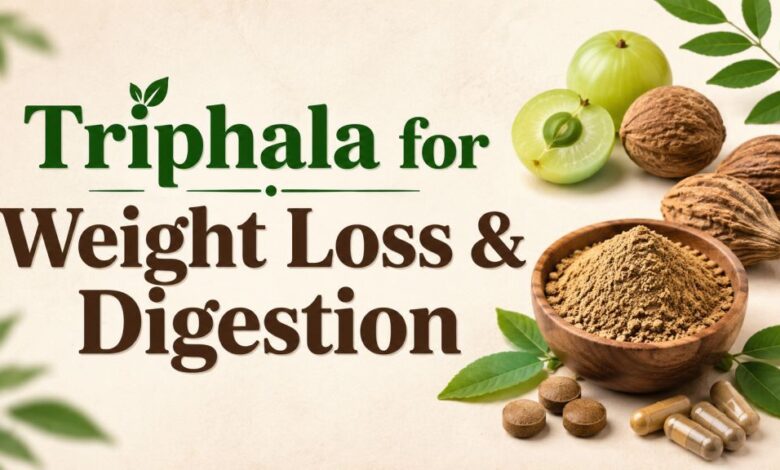
Triphala for Weight Loss & Digestion: The Honest Ayurvedic Cheat Code (With Fine Print)
If you’re here, you’ve probably hit that point where you want to lose weight and fix your digestion but you’re also allergic to 12‑week “shred” plans and people yelling “calorie deficit bro” at you. So your brain goes: fine, give me the ayurvedic shortcut. Triphala.
It’s sold as this all‑in‑one: detox, weight loss, digestion, skin, maybe taxes if you read enough labels. Somewhere between your mom’s faith and WebMD’s cautious tone, you want one clear answer: does this actually help, or am I just paying to poop more.
This guide is that uncomfortable middle place. What Triphala really does for digestion and weight, what the clinical studies actually show (yes, there are some), where people misuse it, and how to use it without turning your bathroom into a second home.
THE THING NOBODY ACTUALLY SAYS OUT LOUD
Nobody selling you Triphala wants to tell you this: it’s not a flat‑tummy tea. It’s a bowel tonic. A good one, but a bowel tonic. You will not wake up with abs because you swallowed three mysterious brown tablets before bed.
Triphala literally means “three fruits” in Sanskrit amla (amalaki), bibhitaki, and haritaki, dried and mixed. In Ayurveda it’s a tridoshic rasayana: something that, in theory, can balance Vata, Pitta, and Kapha while working as a mild laxative and detox agent. Modern reviews agree on a few basics:ayurved.
- It improves bowel movements and relieves constipation for a lot of people.
- It has antioxidant and anti‑inflammatory properties.
- It can support weight loss in some people, but as part of a wider plan not as solo hero.
There are clinical trials. One 12‑week double‑blind RCT reported that people on Triphala lost about 5 kg versus placebo. A meta‑analysis found Triphala supplementation reduced body weight by roughly 3 kg on average and also decreased BMI and waist circumference. That’s real data, not just “my aunt said.”
But here’s the part missing from Instagram: those results were from controlled doses and durations, with no one eating like a trashfire and expecting Triphala to be an exorcism. And long‑term safety data is still limited; some reports and reviews warn that overuse can cause GI discomfort, headaches, and fatigue.
Triphala helps most when your main problem is a sluggish gut and low‑grade inflammation not when you’re using it as a hall pass for bad sleep, stress eating, and 2000 extra calories “because it’s ayurvedic.”
And yes, if you mainline it in high doses for “faster weight loss,” don’t be shocked when your digestion rebels.
Read Also Best Ayurvedic Diet Plan for Each Season (2026 Guide)
HOW THIS ACTUALLY WORKS THE REAL MECHANICS
Forget the mystical marketing for a second. Mechanically, what is Triphala doing for digestion and weight?
The blend:
- Amla (Emblica officinalis): antioxidant bomb, rich in vitamin C, used for immunity, metabolism, and gut support.
- Bibhitaki (Terminalia bellirica): traditional use in managing Kapha issues, mucus, and lipid metabolism.
- Haritaki (Terminalia chebula): classically a mild laxative and digestive regulator.
Together, Triphala is described in Ayurveda and modern reviews as:
- A mild laxative and colon cleanser.
- A gut‑tonic that can improve digestion, nutrient absorption, and gut motility.
- An antioxidant and anti‑inflammatory agent that may influence metabolic pathways and fat storage.
Weight loss angle:
- That RCT with about 5 kg loss over 12 weeks used standardized Triphala tablets (~1 g twice daily) alongside lifestyle advice, and participants also showed improvements in waist circumference and lipids.
- A meta‑analysis across several clinical studies found Triphala significantly lowered body weight (roughly 3 kg), BMI and waist circumference, with few serious adverse events reported.
- Proposed mechanisms: improved digestion and elimination, better lipid metabolism, appetite modulation, and reduced low‑grade inflammation and oxidative stress.
Digestion angle:
- Clinical and observational work reports better stool frequency, reduced constipation, less bloating, and improved gut comfort in people using Triphala correctly.
- One review notes a trial where Triphala reduced constipation, mucus, stomach pain, hyperacidity, and flatulence.e-century
Niche corner most people miss: dose and timing matter a lot.
- Typical powder dosage in Ayurveda: around ½-2 teaspoons (roughly 2-10 g) once daily, often at bedtime with warm water.
- Capsules/tablets: usually 500-1000 mg, once or twice daily, depending on brand and practitioner advice.
Short list with real opinions:
- Triphala for digestion
- Works best as a daily low‑dose habit to keep your bowels regular and gut clean. Not as a one‑night purge after a pizza.
- Triphala for weight loss
- Has decent supporting evidence as a helper. Not as your main strategy. If your food and movement are trash, it’s a very earnest side character, not the lead.
- Safety & side effects
- Generally safe at normal doses but long‑term, high‑dose use can cause GI upset, headaches, and fatigue in some people. Most reviews say: safe, but respect it.
COMPARISON WHAT’S ACTUALLY DIFFERENT BETWEEN YOUR OPTIONS
Triphala Forms & Use Cases
| Option | What it actually does | Who it’s for | The catch |
| Triphala churna (powder) | Traditional, flexible dosing, strong on bowel regulation and digestion. | People okay with taste who want classic ayurvedic style use. | Taste is intense; easy to overdose “just to see”. |
| Triphala tablets/capsules | Convenient, standardized doses, used in weight‑loss and metabolic trials. | Busy people, travellers, those who want fixed milligrams. | Quality varies by brand; still needs right timing and lifestyle. |
| “Triphala detox” teas & juices | Usually mild; mostly hydration + marketing with small amounts of Triphala. | People wanting gentle intro or placebo‑plus vibes. | Often under‑dosed; can be more sugar and hype than actual Triphala. |
For serious digestion support, I’d lean powder (if you can handle it) or good‑quality capsules. For weight loss, stick to standardized tablet/capsule doses that resemble what trials used, but only as an add‑on to sane food and movement.
WHAT ACTUALLY HAPPENS WHEN YOU TRY THIS
Let’s talk real life, not theory.
When you start Triphala at a sensible dose, the first thing you notice is usually bowel changes. For constipated people that means: you actually go. Properly. Once a day, sometimes twice, without your usual drama. Stools get softer, easier to pass, and that “I’m carrying a brick” feeling reduces. If you go too often or too loose, it’s usually a sign your dose is too high.
Over 2-4 weeks, a lot of people report:
- Less bloating and gas.
- Less “stuck” feeling after meals.
- Slightly better appetite rhythm actual hunger, then actual fullness.
The weight‑loss bit moves slower (obviously). In the trials where people lost about 3-5 kg over 10-12 weeks, Triphala wasn’t making fat evaporate; it was probably:
- Improving digestion so they absorbed nutrients better and craved less junk.
- Reducing low‑grade inflammation and oxidative stress that mess with metabolism.
- Gently nudging blood sugar and lipids in a better direction.
One thing that surprises people: you often feel “lighter” even before the scale moves much, simply because your colon isn’t hoarding half‑digested stuff anymore. Clothes fit a bit better, belly feels less distended, energy in the morning is cleaner. This is not “weight loss” yet; this is “stop walking around with chronic constipation.”
Pattern most articles ignore: it’s possible to over‑cleanse. If you chase faster results with large doses, you can swing into loose motions, cramps, fatigue, or feeling weirdly drained. That’s not Triphala “detoxing you harder.” That’s your body saying “calm down.”
Another thing you only catch with experience: Triphala works best when you stop using it as permission to eat like a YouTube challenge. In the RCTs, people didn’t have “eat anything you want” instructions; they were also advised on diet and lifestyle. In practice, when you pair Triphala with halfway decent food (fewer ultra‑processed calories, more actual plants) and walking, that’s when the 2-5 kg over a few months type of shift starts making sense.
So what actually happens when you do this correctly? Your digestion gets more regular and less dramatic. You may lose a few kilos and some waist, especially if you had sluggish bowels, central fat, and inflammation issues. You don’t wake up transformed. You do, however, stop feeling like your gut is permanently mad at you.
Read Also : Sattvic Diet Plan for Indians (2026 Calm Mind Guide)
THE ADVICE EVERYONE GIVES VS WHAT ACTUALLY WORKS
1. “Take Triphala at night and eat whatever you want”
The fantasy is clear: pill at night, freedom by day. But studies where people actually lost weight with Triphala didn’t work like this; they involved structured doses plus lifestyle guidance. If you’re eating 800-1000 calories extra daily, no herbal blend is going to out‑laxative that.
What works:
- Use Triphala as a support to a modest calorie deficit and sensible movement, not as a cancel button.
- Let it do its job on digestion, inflammation, and metabolic support while you stop actively sabotaging yourself.
2. “More Triphala = faster detox = faster weight loss”
People hear “mild laxative” and immediately think, “Okay, double dose.” That’s how you move from gentle bowel toning into full‑on GI irritation, electrolyte issues, headaches, and fatigue. One meta‑analysis notes very few serious adverse events, but that’s in controlled doses. Your tall glass of impatience is not a clinical condition.
Reality:
- Stay in the 500 mg-1 g range for capsules/tablets once or twice daily, or around ½-2 teaspoons of powder, unless a practitioner says otherwise.
- If stools get too loose or you feel drained, reduce the dose; that’s “too much,” not “better detox.”
3. “Triphala is natural, so it’s 100% safe long‑term”
“Natural” is not a safety certificate. Most evidence says Triphala is generally safe at typical doses, and in the meta‑analysis only one serious adverse effect (a rash) showed up. But multiple sources also warn that long‑term or excessive use can cause GI discomfort, headaches, and fatigue. Long‑term safety data beyond a few months is still limited.
Balanced view:
- Think in cycles e.g., 8-12 weeks on for weight/digestion goals, then break or maintenance dose under guidance.
- If you have conditions (pregnancy, kidney/liver disease, are on multiple meds), ask your doctor before making this a daily ritual.
4. “Any Triphala product is fine, they’re all the same”
This is where modern life ruins ayurvedic romance. Quality varies a lot across brands: fruit sourcing, ratios, contamination, actual vs claimed dose. Many “detox teas” use a sprinkle of Triphala for the name and then load you with sugar and random herbs.
What works:
- Look for reputable companies, preferably with testing or transparency on sourcing.
- Check labels for actual Triphala content and avoid mystery blends for serious goals like weight/metabolic health.
THE PRACTICAL PART WHAT TO ACTUALLY DO
1. Decide your primary reason: digestion first, weight second
Be honest: is your real problem constipation/bloating, or weight? If your gut is a mess, fix that first. A lot of weight issues calm down once digestion, absorption, and regular elimination improve. Set your first 4-8 weeks as “digestion phase,” and treat weight loss as a side bonus.
2. Pick one form and one time, and stick to it
Don’t ping‑pong between powders, tablets, juices, and kadhas. Pick:
- Powder: start with ½ teaspoon in warm water at night.
- Capsule/tablet: usually 500-1000 mg once at night, maybe twice daily if tolerated and guided.
Give that one setup at least 2-4 weeks before judging. Change only dose if needed, not the entire format every three days.
3. Pair Triphala with a non‑idiotic baseline diet
You don’t need perfection. But you do need a floor:
- Cut down ultra‑processed and deep‑fried stuff to “sometimes.”
- Keep protein decently present (dal, sprouts, eggs, paneer, meat if you eat it).
- Keep some fiber from actual food fruits, veg, lentils not just Triphala.
This is the environment where its mild fat‑loss and metabolic effects from the trials even have a shot.
4. Track three things, not everything
For 8-12 weeks, track weekly:
- Bowel pattern (frequency, ease, bloating/gas).
- Morning energy / heaviness.
- Weight and waist (same day/time each week).
If digestion improves but weight doesn’t move, your calories/movement need adjusting. If weight moves but your gut feels awful, your dose is off.
5. Plan for breaks and doctor check‑ins
If you’re planning to use Triphala beyond 2-3 months, especially for weight loss, build in off‑periods (eg, 8-12 weeks on, a few weeks off or at a low dose) and talk to a practitioner if you have any medical conditions. It’s still a medicine, not a vitamin. Treat it like one.
QUESTIONS PEOPLE ACTUALLY ASK
Does Triphala really work for weight loss?
Triphala has some real evidence for supporting weight loss. A 12‑week randomized controlled trial found participants taking Triphala lost about 5 kg compared to placebo. A meta‑analysis of clinical studies reported roughly 3 kg average weight loss plus reductions in BMI and waist circumference. But these results came with controlled doses and lifestyle guidance Triphala helped, it didn’t replace food discipline and movement.
How should I take Triphala for digestion and constipation?
For digestion, Triphala is commonly taken at night with warm water to support bowel movements and colon cleansing. Typical powder doses are around ½-2 teaspoons before bed, while tablets/capsules are often 500-1000 mg once or twice daily. Start low, see how your body responds for a week or two, and only then adjust. If stools become too loose, cut the dose.
What is the best time to take Triphala for weight loss?
Most practitioners and guides suggest taking Triphala before bed or sometimes first thing in the morning, on an empty stomach, so it can work on your gut overnight or before meals. In weight‑loss trials, tablets were typically taken twice daily at consistent times. Consistency beats timing tweaks; pick a time you won’t forget and pair it with a stable routine.
Is Triphala safe for long-term use?
At normal doses, Triphala is generally considered safe and clinical studies report few serious adverse events. However, long‑term, high‑dose use can cause side effects like gastrointestinal discomfort, headaches, and fatigue in some people. Long‑term safety data beyond a few months is limited, so it’s smart to use it in cycles and talk to a doctor if you have ongoing conditions or take other medications.
What are the side effects of Triphala?
Possible side effects include stomach cramps, diarrhoea, nausea, or general GI discomfort when doses are too high or your body is sensitive. Some people report headaches or fatigue with prolonged, heavy use. Serious adverse effects are rare but hypersensitivity reactions like rashes have been reported. If you feel consistently worse on Triphala, reduce or stop and consult a healthcare professional.
Is Triphala better in powder or capsule form?
Powder (churna) is the traditional form and allows flexible dosing; it’s often seen as slightly stronger on bowel cleansing and digestion. Capsules/tablets are more convenient, portable, and make it easier to match doses used in studies, especially for weight loss. The “better” form is the one you will actually take consistently from a reputable brand at an appropriate dose.
Can Triphala alone help me lose belly fat?
Some studies and reviews suggest Triphala may help reduce abdominal fat and waist circumference as part of its effect on body weight and metabolism. But no credible source says it can target belly fat in isolation while your overall lifestyle remains unchanged. Its role is supportive: improving digestion, reducing inflammation, and modulating metabolism, which can all contribute to less central fat when combined with diet and exercise.
Who should avoid or be careful with Triphala?
People who are pregnant, breastfeeding, have serious GI diseases, kidney or liver issues, are on multiple medications, or are very underweight should only use Triphala under professional guidance. Because it has laxative effects, it may not be suitable in cases of chronic diarrhoea or very sensitive digestion. If you’re already on strong medications for blood sugar, blood pressure, or lipids, talk to your doctor before adding Triphala, as it can also influence these areas.
SO WHERE DOES THIS LEAVE YOU
You don’t need to worship Triphala or dismiss it. It lives in that uncomfortable middle zone: not magic, not useless. A pretty solid, evidence‑backed tool for digestion and mild weight support if you use it like an adult and not like a TikTok challenge.
If your digestion is sluggish, your weight has settled stubbornly around your midsection, and your lifestyle is “trying, but not perfect,” Triphala can actually be a smart addition. The data suggests small but real shifts in weight, BMI, waist, and digestive comfort over a few months, not overnight transformations.
If you do one thing today, don’t start with mega doses. Start with clarity. Decide your main goal smoother digestion or modest weight loss choose one form, set a realistic dose, and commit for 8-12 weeks alongside basic diet and movement. If your bowels calm down and your waist nudges in, keep it in your toolkit. If nothing changes, at least you’ll know you tested it properly instead of just collecting ayurvedic products like Pokemon.
You’ve just read a long breakdown of three dried fruits instead of another “how to lose 10 kg in 10 days” video, which already says nice things about your future stomach. I’m not going to pretend Triphala will do the work of cooking your meals, fixing your sleep, and making you go for a walk.
What it can do, if you let it, is make your digestion boringly regular, your gut a little less inflamed, and your weight loss project slightly less miserable. It’s a support act, not the main character. But the right support act at the right time changes the whole show.
If you’re going to add one ayurvedic thing to your routine for weight and digestion, you could do a lot worse than a well‑chosen, well‑used Triphala. Just don’t expect it to fix the stuff you’re still pretending isn’t part of the problem.