PG Life Diet Survival Guide: Healthy Eating With One Gas Stove
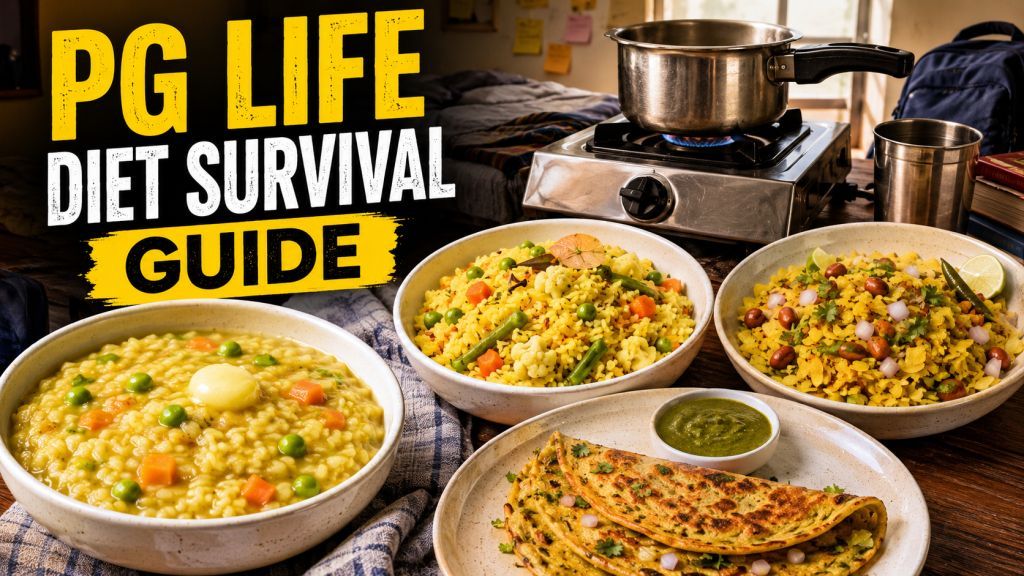
PG life diet looks very inspiring on day one.
You buy oats, poha, maybe some fancy seeds, and feel like a wellness influencer with a steel plate.
By week three, your “diet plan” is Maggi, biscuits, random Swiggy, and whatever the PG mess throws at you with rice. This site exists for exactly this zone: you want health, you have a single gas stove (if that), one kadhai or saucepan, zero storage, and two roommates who think chai counts as hydration.
We’ll stay inside an Ayurvedic-ish lane warm, digestible food, regular-ish meals, not overcomplicating life but in PG logic, not resort logic. No 27-ingredient detox kitchari. No “just sprout quinoa” nonsense. Just: with one burner, one utensil, and a tiny budget, what can you realistically eat without wrecking your gut or your bank account?
THE THING NOBODY ACTUALLY SAYS OUT LOUD
Nobody admits this openly, but a lot of PG diets are just slow self-sabotage with good intentions.
You tell yourself you’ll “cook properly from tomorrow.” Tomorrow shows up, looks at your one blackened kadhai, and quietly leaves.
The real truth: you don’t lack motivation. You lack infrastructure. You have:
- one gas stove or hot plate (if the owner hasn’t banned it),
- one pan or pressure cooker,
- one small counter that is also your shelf, drying rack, and emotional support.
Every polished “healthy student diet” article assumes: fridge, cutting board, multiple pans, mixer, even an oven sometimes. PG reality: you are cutting onions on a steel plate with a knife older than you, and washing dishes in a bathroom sink.
So here’s what no one says out loud:
If your PG diet plan doesn’t work in a single vessel, it won’t survive more than three days.
Ayurveda says lunch should be the main, warm, freshly cooked meal, with simple combinations like grains + lentils + vegetables + a bit of fat. Great. Beautiful. Now fit that into a life where:
- LPG is shared,
- the landlord appears exactly when you cook eggs,
- and your “storage” is one plastic bucket with a lid.
Most PG students slide into three patterns:
- “Instant everything” noodles, ready mixes, bread with something. Fast, but your digestion will complain.
- “Mess-dependent” whatever the PG mess gives, plus snacks. Some days it’s okay, some days it’s pure survival.
- “Weekend chef, weekday chaos” elaborate cooking one day, then leftovers, then Zomato, then guilt.
Ayurvedic principles do fit PG life, but not the Insta version. They care about: warm food, simple combinations, regular timing, and respecting your digestive fire (agni).
PG version of that is: one-pot warm meals, predictable pantry, and not replacing every meal with chips because the kitchen is annoying.
There’s also the weird guilt nobody talks about.
You know you should eat better. But when you’ve had a horrible day and your roommate says “Maggi bana le, yaar,” it feels almost rude to say no. Food is also social survival in PGs.
Let’s accept the messy truth: you are not building a perfect Ayurvedic retreat. You’re just trying not to wreck your health in 2–4 years of PG life. That’s already ambitious.
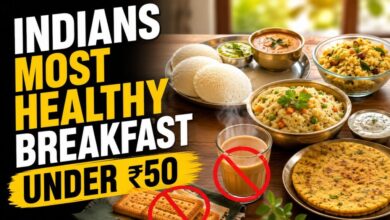
Healthy Indian Breakfast Under ₹50 (2026 Guide)
HOW THIS ACTUALLY WORKS THE REAL MECHANICS
Let’s break this into how things actually work when you have one burner and one vessel. Not “ideal kitchen” theory.
Mechanically, PG-friendly healthy eating is built on three pillars:
- one-pot meals,
- smart pantry,
- predictable routine.
One-pot meals
If everything has to go into one kadhai or cooker, your heroes are:
- khichdi/kitchari types (rice + dal + veg).
- pulao/veg tahri (rice + veg + spices).
- upma/poha/besan chilla-type batters for quick stove meals.
- dal + rice cooked together or back-to-back in the same pot.
These align beautifully with Ayurveda: warm, moist, cooked, simple combos that are easier to digest when your schedule and sleep are trash.
Smart pantry
There’s a reason every doctor and hostel-nutrition-reel keeps showing a “hostel pantry” with basics like poha, dal, rice, nuts, and not just instant noodles. Shelf-stable, multi-use ingredients are your entire game.
Things that show up in almost every PG-cooking guide for a reason:
- rice + one or two dals (moong, masoor, or arhar).
- poha or suji,
- onions, tomatoes, green chillies, potatoes, a couple of easy veggies.
- oil/ghee, salt, basic masalas, maybe tadka seeds (jeera, rai).
With just that and one utensil, you can already make khichdi, basic dal–rice, pulao, upma, poha, and a simple sabzi rotation.
Routine
This is the part people ignore. You don’t need 30 recipes; you need 4–6 that fit different days:
- “No time” days → poha, upma, besan chilla, or instant one-pot pulao.
- “Low energy but hungry” days → soft khichdi with ghee.
- “Feel like cooking” days → slightly fancier paneer or soya pulao, veggie biryani, or curry from the same pot.
A lot of PG students in India actually end up using pressure cookers/large pans as multi-tools: tadka, grains, dal, and vegetables all layered or done one after another. It’s not pretty, but it works.
Quick list with opinions:
- Khichdi: Your best friend. Rice + moong/mix dal + basic veg + ghee. Ayurvedic, cheap, one utensil, and forgives bad technique.
- Veg pulao/tahri: Slightly more effort than khichdi, nicer for mood, good “I cooked properly today” feeling.
- Poha: Great for breakfast or light dinner. No pressure cooker needed. Add peanuts or boiled egg/paneer on side if you’re fancy.
- Besan/atta chilla: Pancake-style, one bowl, one pan, fills roti cravings when you can’t deal with rolling chapatis.
- Ready-to-eat + add-on: Sometimes you take the PG rice/dal and just add one quick sabzi or protein fix in your pan.
If your meal can’t be done in 20–30 minutes in one pot or pan, it’s a “Sunday sometimes” recipe, not a PG survival staple.
COMPARISON WHAT’S ACTUALLY DIFFERENT BETWEEN YOUR OPTIONS
PG Cooking Styles You Actually See
| Option | What it actually does | Who it’s for | The catch |
| Pure mess food + snacks | Zero cooking effort, predictable routine. | Ultra-busy, hate-cooking, exam seasons | Nutrition quality depends fully on mess; snacks drift into junk quickly. |
| One-pot homemade meals 3–5x/week | Warm, fresh, Ayurvedic-friendly, budget control. | Students ok with basic cooking and washing one vessel | Needs planning and minimal grocery discipline. |
| “Instant” + occasional home-cook | Noodles/ready mixes for speed, real food sometimes. | People stuck between laziness and guilt | High sodium, low nutrients if instant stuff dominates. |
| Weekend batch cooking in one pot | Saves weekday time, still home-style. | Those with fridge access or stable PG storage | Reheated food isn’t as Ayurvedic-ideal; some dishes don’t store well. |
| Outside food 3–5x/week + tea meals | Socially easy, zero kitchen gear needed. | New jobs, high stress, late-night workers | Hits digestion, money, and energy levels over months. |
If you want any kind of energy and digestion left by end of the year, aim for the “one-pot homemade meals a few times a week” model, backed by mess food on other days. That balance matches most hostel/PG nutrition advice and still lets you have a life.
WHAT ACTUALLY HAPPENS WHEN YOU TRY THIS
When you actually try cooking in a PG with one utensil, the first shock is not the cooking. It’s the washing.
The romantic idea of “I’ll make fresh khichdi every night” meets the reality of scrubbing burnt dal from a rounded kadhai at 11:30 pm in a shared bathroom sink.
In practice, day one looks like this:
You over-chop vegetables, follow a YouTube one-pot khichdi video, and stand around stirring like a food vlogger. The khichdi turns out slightly sticky but smells good. You feel proud. You also use every spoon you own.youtubeyoutubeyoutube
By week two, you’re different. You know exactly how much rice + dal + water your pan can handle without overflowing. You add tadka directly in the same vessel, throw in veg, add water, cover, and leave it while you scroll. You’ve turned laziness into a process.
One thing that surprises most people: your body notices the difference within a week when you shift at least one meal from packaged/instant to warm, one-pot Indian food.
Hostel diet reels often show simple patterns: nuts for snacks, mess rice + dal + veg for lunch, then a quick one-pot meal or egg/soya/paneer add-on for dinner. People report fewer random stomach upsets and better focus when lunch and/or dinner are simple cooked meals instead of back-to-back junk.
There’s another pattern articles miss: burn rate.
Not calories. Gas and patience.
You only have so many times a week you’re willing to:
- light the stove,
- guard the pot,
- scrub the result.
The students who survive PG life with decent health usually don’t cook every meal. They pick their battles:
- maybe breakfast is bananas + nuts,
- lunch is mess food,
- dinner is your one-pot khichdi or pulao cooked in your vessel 4–5 nights a week.
What nobody warns you about: your one utensil becomes your entire food system.
You learn how long poha takes vs upma. Rice + dal vs pulao.
You figure out that if you start a one-pot veg rice right after entering your room, you can bathe, change, and come back just in time to switch off the flame. That timing knowledge is weirdly powerful.
Most people find that when one-pot warm meals become default 50–70% of the week, and junk becomes the exception, everything shifts quietly: better bowel movement, less random acidity, slightly better sleep, and less 4 pm energy crash. No magic. Just less abuse of your agni.
You don’t transform into a wellness monk. But you stop feeling like PG life is physically draining you faster than it should.
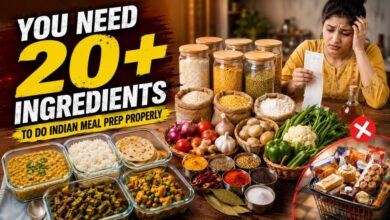
Healthy Indian Grocery Guide (2026)
THE ADVICE EVERYONE GIVES VS WHAT ACTUALLY WORKS
“Just eat in the mess, it’s cheaper.”
Yes, mess food is usually cheaper per plate. But that assumes:
- it’s consistent,
- it’s not oversalted/oily every day,
- you’re not compensating with daily snacks and takeout because lunch felt unsatisfying.
What actually works for many PG folks:
Use the mess as your base plus your own simple one-pot meal when the mess is extra tragic. For example, mess lunch + your own khichdi or pulao for dinner, or vice versa. It balances cost, effort, and health better than fully relying on either side.
“Hostel life means Maggi, enjoy yaar.”
Great line for reels, terrible as a lifestyle. Instant noodles once in a while are fine. Daily or multiple times a week means very low fibre, very little real protein, and plenty of salt. Your digestion and skin eventually file a complaint.
Realistic alternative: keep one or two instant things, but slowly shift your “default quick meal” from Maggi to poha, upma, besan chilla, or ready-cut-veg pulao in the same pot. Similar time, better raw material.
“You can’t eat Ayurvedic in PG, it’s impossible.”
If by Ayurvedic you mean copper vessels, seasonal farm vegetables, and no phone while eating fine, that’s hard. But the core principles (warm, fresh, simple, mostly cooked meals at regular times) are very PG-compatible when done as one-pot dishes.
Swap: instead of trying to be perfect, follow easy wins khichdi, dal–rice, veg rice, light sabzis, and avoiding constant cold, packaged, or deep-fried food. That’s already 70% of the spirit.
“Meal prep on Sunday for the whole week.”
That’s cute. Also risky when you have no big fridge or share it with 7 other people.
Cooked food sitting too long in not-great conditions is not something Ayurveda or basic food safety is happy about.
More realistic: prep ingredients, not full meals. Pre-wash and cut a couple of veggies, soak and cook a batch of dal or chickpeas you can quickly turn into different one-pot meals through the week.
Any advice that assumes a full kitchen, private fridge, and saint-level discipline belongs in another universe, not your PG room.
THE PRACTICAL PART WHAT TO ACTUALLY DO
1. Lock in a 4-meal “PG core menu”
Pick 4 one-pot meals that you actually like and can cook in your single vessel:
- basic khichdi (rice + moong + carrot/peas + ghee).
- veg pulao or tahri with mixed vegetables.
- poha with peanuts and onions, or upma with basic veg.
- besan/atta chilla with onions and coriander as a roti replacement.
These four can cover breakfast/dinner for an entire week in rotation without you going mad. Write them down and pin them somewhere.
2. Build a “PG pantry that actually works”
Your pantry should be boring and powerful, not aesthetic.
Aim for: one rice, one dal (two if you can), poha or suji, besan/atta, oil/ghee, onions, potatoes, 2–3 easy veggies, basic spices, and maybe nuts or chana for snacks.
This setup lets you build full meals and light snacks without depending on outside food every time.
3. Decide your “no-cook” default
There will be nights when you refuse to touch the stove. That’s the danger zone.
Pre-decide a no-cook backup that is still real food: bananas + nuts, curd + poha or fruit (if you have fridge access), roasted chana + buttermilk, or eggs/boiled potatoes from mess if available.instagram+2
When you choose these on bad days, you avoid panic-ordering ₹400 junk at 11 pm.
4. Timebox your cooking
Give yourself a rule: no recipe that takes more than 30 minutes start to finish, including washing one utensil.
Most one-pot Indian recipes shared for bachelors/PG residents fall inside this window when simplified dal, basic sabzi, pulao, or egg-based gravies.
This mental cap stops you from over-promising and burning out.
5. Use mess food strategically, not passively
If your PG has mess:
- use their rice/dal as base and cook only one sabzi or protein in your pot,
- or cook your own one-pot dish on days the mess menu is obviously a disaster (too oily or only one sad dish).
You’re not choosing between “only mess” vs “only self-cooked.” Mix them.
6. Protect your digestion like it’s part of your GPA
High stress + irregular sleep + random food = classic recipe for acidity, gas, and low energy.
Ayurveda leans hard on warm, simple, freshly cooked food and limiting ultra-processed, especially at night.
So try: one proper warm meal daily (lunch or dinner), minimal fried stuff on regular days, and keep the heavy ordering to 1–2 times a week max.
QUESTIONS PEOPLE ACTUALLY ASK
How do I eat healthy in a PG with no proper kitchen?
Focus on one-pot meals you can make on a single burner khichdi, veg pulao, poha, upma, and simple dal–rice are your best friends.
Stock a small pantry with rice, dal, poha or suji, a few vegetables, and basic masalas.
Use mess food when it’s decent and cook only when it’s really bad, instead of trying to cook every meal.
This mix keeps things realistic and still far better than constant instant noodles.
What is the easiest healthy one-pot meal for PG students?
Khichdi wins by a mile.
You just need rice, moong or masoor dal, some basic vegetables, turmeric, salt, and a spoon of ghee or oil.
Throw everything into one pan or cooker with water, cook till soft, and add a quick tadka if you can.
It’s warm, easy on digestion, and very much in line with Ayurvedic ideas for a simple, nourishing meal.
I only have one utensil. What all can I actually cook?
More than you think. People manage khichdi, pulao, poha, upma, dal–rice, basic sabzis, paneer bhurji, soya biryani, and besan chilla batter all using just one pan or cooker, sequentially.
You just cook, empty, rinse quickly, and reuse.
It’s not glamorous, but your stomach does not care about glamour.
How do I avoid living on Maggi in PG?
First, stop making Maggi the default “I’m tired” option. Give that role to poha, upma, or besan chilla they’re almost as fast once you’ve made them a few times.
Second, keep instant noodles for specific days, not every random evening.
If you crave the comfort, pair noodles with boiled eggs, paneer, or veggies once in a while to make the meal less empty.
Can I follow an Ayurvedic diet while staying in a hostel or PG?
You can follow the spirit, even if not every rule.
Ayurveda loves warm, fresh, cooked meals eaten in some peace, with simple combinations like grains + lentils + vegetables + ghee.
Your one-pot khichdi, dal–rice, veg rice, and light sabzis already fit that direction.
Skip the pressure to be perfect and just aim for mostly warm, simple, and not ultra-processed on normal days.
What should I keep in my PG pantry for healthy cooking?
Think shelf-stable, multipurpose, and cheap: rice, one or two dals, poha or suji, besan/atta, oil or ghee, onions, potatoes, 1–2 easy vegetables at a time, and basic spices.
If possible, add roasted chana, peanuts, or nuts for quick snack protein.
This small list covers breakfast, lunch, dinner, and snacks in different combinations without needing a big kitchen.
How many times a week should I cook if I’m busy?
For a lot of PG students, 4–7 home-cooked one-pot meals a week (not per day) already changes how they feel.
For example, cooking dinner 4 nights a week and relying on mess or outside food the rest is a good middle ground.
Pick days and meals that are predictable like Sunday night, two weekday nights, and one flexible day.
Is it safe to meal prep in a PG without a full fridge?
Cooking once and eating throughout the week is tricky without a reliable fridge.
Ayurveda also doesn’t love very old, repeatedly reheated food.
Instead, prep ingredients: pre-cook beans or dal once, chop some veg for 1–2 days, and cook fresh one-pot meals from them.
That keeps food safer and still saves time.
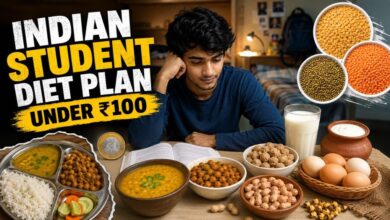
Cheapest High-Protein Indian Foods (2026 Ranking)
SO WHERE DOES THIS LEAVE YOU
You’re not getting a full kitchen, a bigger fridge, or a second gas stove just because you read an article.
You’re still in a room where your plate, your books, and your emotional breakdown all happen in the same 6×8 space.
But now the game is clearer:
- One utensil is not a deal-breaker; it just means one-pot meals by default.
- Mess food isn’t the enemy; it’s one tool you combine with your own cooking.
- Ayurveda in PG language is basically: warm, simple, not-junk most days, and watching how your body reacts.
If you want one concrete thing to do today, do this:
Write down four dishes you can cook in your vessel, with ingredients you can actually buy this week. Put the list somewhere stupidly visible on the wall, cupboard, or next to your switchboard.
It won’t fix PG life. But it will give you a tiny feeling of control every time you come back tired and realise: “Okay, at least I know exactly what I can cook in 20 minutes.”
You made it till here, which means you either care about your health or you’re avoiding a project deadline. Both are valid.
PG life will still throw random mess menus, gas fights, and 11 pm chai offers at you. That’s not going away.
What can change is this: instead of feeling like you “have no option,” you quietly build a tiny, scrappy system with your one gas stove and one utensil.
Not perfect. Not Instagram-worthy. Just enough to leave this phase with your digestion, energy, and bank balance in slightly better shape than everyone assumed.



One Comment