Roti, Sabzi, Dal & Your Nutrition Goals (2026)
Can Roti, Sabzi, Dal Meet Your Daily Nutrition Goals in 2026?

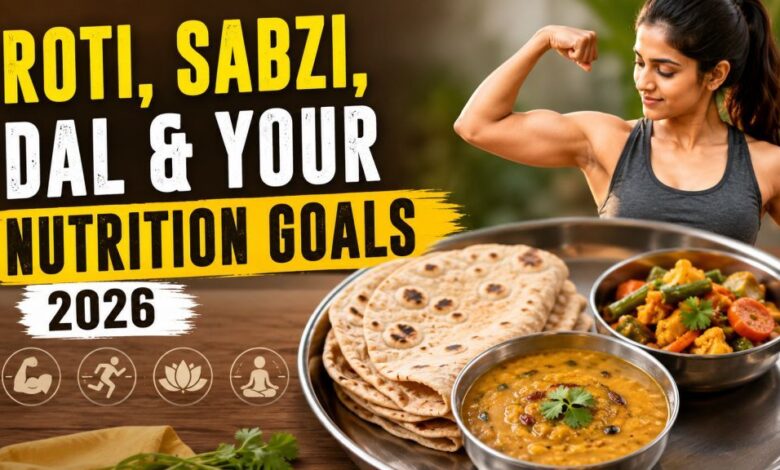
Roti, Sabzi, Dal: Is This “Simple Indian Meal” Actually Enough?
Most of us grew up hearing some version of: “Just eat roti, sabzi, dal it has everything you need.”
Then at 25, someone at the gym told you dal has “no real protein” and suddenly your childhood thali started looking suspicious.
This site is about real-world health, rooted in Indian food and Ayurvedic logic, not imported diet charts that assume you live inside a salad bar. We’re not here to cancel roti; we’re here to ask whether your usual roti–sabzi–dal plate actually matches what your body needs between 18 and 35, when you’re juggling work, study, stress, sleep issues… and yes, cravings.
So let’s do the uncomfortable thing: put our beloved staples under a bright light. See what they actually give, where they fall short, and how much you need to tweak before you start panic-buying protein powders.
THE THING NOBODY ACTUALLY SAYS OUT LOUD
Nobody wants to say it, but here we go: the problem is not roti, sabzi, dal.
The problem is the story around it.
For years, “simple Indian food” has been marketed in families as this magical, automatically balanced, can-do-no-wrong plate. One roti, a random spoon of sabzi, some dal water on the side, and suddenly you’ve “eaten healthy.” Then you look at what actually lands on plates in real homes:
- Three big rotis, a tiny katori of oily sabzi, two spoons of dal.
- Or worse: roti, sabzi, no dal because “not today, too lazy to cook.”
Ayurveda loves this kind of meal grain + lentil + vegetable + a bit of ghee is pretty much textbook Indian thali. But Ayurveda assumes a few things: the roti is made from decent wheat or millets, the dal is cooked properly with ghee, the sabzi has actual vegetables and not just masala and oil, and you eat in a calm-ish state.
Real life: you’re eating in 7 minutes between calls, scrolling on your phone, and the roti is half maida because “dough mixer mein jo pada tha.”
Here’s the bit that stings a little:
Roti–sabzi–dal can absolutely meet most of your daily nutrition needs if the portions and cooking style stop being vibes-based.
Most polished articles pretend every Indian thali is some balanced Ayurveda-approved masterpiece. You and I both know there’s also:
- aloo-sabzi three times a week,
- dal so thin it might be emotionally supportive but not nutritionally,
- rotis that are 80% of the plate because “ghar ka khana can never be a problem.”
There’s also the fitness side of Instagram yelling “dal is not high protein, you’re basically eating carbs,” which is technically not wrong but also misses context. A cup of cooked dal gives moderate protein plus fibre, not bodybuilder numbers, but across a whole day with roti, rice, curd, nuts and other foods, most non-athlete adults get enough if their portions are sane.
Think of one daily reference you already know: that packed, round Indian thali your relatives brag about on WhatsApp. A typical full veg thali with roti, rice, dal, sabzi, some curd, maybe salad sits around 700–1200 calories depending on size and dishes, and gives carbs, protein, fats, fibre, vitamins and minerals together.
The issue isn’t that the template is broken. The issue is that your implementation is all over the place.
It’s a bit like watching people blame “smartphones” for their screen addiction. The tool isn’t the villain. The way you’re using it is. Your thali is not innocent either
HOW THIS ACTUALLY WORKS THE REAL MECHANICS
Let’s get boring for a second and translate roti–sabzi–dal into numbers and Ayurvedic logic. Then we can go back to judging everyone.
A typical home-style plate might look like this:
- 2 medium wheat rotis
- 1 cup vegetable sabzi (dry or semi-gravy)
- 1 katori dal
Possibly with some rice, curd, or salad on better days.
From modern nutrition angle, this kind of plate usually gives you:
- Carbs: mostly from roti and possibly rice steady energy.
- Protein: mostly from dal, a bit from wheat, maybe paneer or legumes in the sabzi.
- Fat: from oil/ghee used in tadka and cooking, sometimes curd.
- Fibre + micronutrients: from vegetables, whole wheat, lentils, and any salad.
Estimates from dietitians and calorie guides say:
- 1 roti is roughly 70–120 calories depending on size and flour; 2 rotis + simple sabzi sit around 300–400 calories for a light meal.
- Full roti–sabzi–dal plates are often in the 500–700 calorie range if you eat decent adult portions, which lines up fine with a normal 1800–2200 calorie day for many.
From an Ayurvedic lens, the combo is even more elegant:
- Wheat roti is grounding and nourishing, especially for vata and pitta, while being heavier for kapha.
- Dal and other legumes build strength (ojas) when cooked well with ghee and mild spices.
- Sabzi brings prana (freshness), colours, and specific dosha effects depending on the vegetables and spices.
Where generic content usually stops is: “See? Balanced.”
Where reality starts is: how you cook and build that plate. Here’s the niche angle most people skip:
It’s not just “roti–sabzi–dal good / bad.” It’s:
- How thick is your dal? Thin “dal ka paani” gives less protein and fibre than a full katori of actual dal.
- How much oil is in your sabzi? Lightly sautéed bhindi vs deep-fried aloo difference is night and day for both calories and how you feel at 3 pm.
- What flour is in your roti? Regular wheat, multigrain, or jowar/bajra make big difference for fibre and how kapha-prone or diabetic folks handle it.
Sample mechanics that only show up when you pay attention:
- Roti–sabzi–dal with decent ghee can keep most people full for 3–4 hours without a crash.
- If your plate is 80% wheat (4–5 big rotis) with almost no dal or veg, you feel stuffed but still snacky later because protein and fibre are low.
- People who switch from “just rotis + one sabzi” to adding even one solid dal serving at lunch tend to feel less craving for junk in the evening there’s actual satiety.
Some quick items with opinion attached:
- Roti: Great base, but 2–3 medium ones are usually enough for most adults at one meal; 5+ is just you using wheat as emotional support.
- Dal: Healthy but not magic; it’s moderate protein, so you still need enough quantity or other protein sources in the day.
- Sabzi: Can be the hero or the villain; lauki–chana cooked light supports digestion, while heavy potato fry three nights a week will not.
- Curd: Great add-on for pitta types and gut support when eaten at lunch, but not for everyone at night or in excess for kapha.
- Ghee: A little in dal and roti actually supports digestion and is traditional; ladling it like you’re in a wedding buffet is a different story.
Read Also Healthy Indian Breakfast Under ₹50 (2026 Guide)
The template works; the execution is what usually fails your “nutrition goals.”
COMPARISON WHAT’S ACTUALLY DIFFERENT BETWEEN YOUR OPTIONS
Common Ways Indians Eat Their Staples
| Option | What it actually does | Who it’s for | The catch |
| Classic 2 roti + sabzi + dal | Decent balance of carbs, protein, fibre, micronutrients; steady energy. | Most adults with average activity, no extreme goals | Protein can still be on the lower side if dal is thin or too little. |
| Roti-heavy, tiny sabzi, minimal dal | Fills stomach with carbs, short-term fullness. | People used to large rotis and “light” sabzi | Low protein and fibre, easier weight gain and energy crashes. |
| Dal–sabzi–less roti / more rice | Higher fibre and protein per calorie, easier portion control. | Weight-loss, light dinner, or low-activity days | Needs planning; you can feel “mentally unsatisfied” if you love roti. |
| Full thali with curd, salad, etc. | Most rounded: carbs, protein, fats, probiotics, fibre, micronutrients. | People who eat 2–3 main meals and little snacking | Calories add up fast; mindless second helpings are easy. |
| Millet-based rotis with dal & sabzi | More fibre, lower glycemic load, good for kapha/diabetes risk. | Those with insulin resistance, weight issues, or wanting variety | Heavier for some digestion types; needs more ghee or oil sometimes. |
If you just want one clear direction: build your plate like the “classic” or “dal–sabzi–less roti” options most days. For weight, digestion, and basic health, that pattern outperforms the roti-dominated version without needing you to abandon Indian food.
WHAT ACTUALLY HAPPENS WHEN YOU TRY THIS
When you actually start paying attention to your roti–sabzi–dal instead of eating on autopilot, a few things show up fast.
First, portion illusions. You realise your “normal” roti is basically two rotis in one, your dal bowl is tiny, and your sabzi is mostly potatoes pretending to be vegetables.
In practice, when people shift from a roti-heavy plate to:
- 2 medium rotis instead of 3–4,
- one full katori of proper dal (not just watery ras),
- and at least one cup of mixed vegetables,
they often report feeling lighter but more stable across the afternoon. Less 4 pm sleepiness, fewer random sugar cravings. You’re still eating Indian food, just closer to how your grandparents probably did before snacks became their own food group.
One thing that tends to surprise people is how much dal matters when you stick to it daily. The first few days, it feels too simple. After 1–2 weeks, your digestion is usually calmer less gas, more predictable appetite especially if you’re using moong, arhar, or masoor cooked well with gentle spices and ghee. You start noticing that on the days you skip dal and go only roti–sabzi, you feel weirdly less satisfied, even if the plate looked full.
There’s also the texture factor.
When you pay attention, you notice why that “balanced thali” photo everywhere feels comforting: soft grain, soupy dal, slightly oily sabzi, something cooling like curd or salad your mouth feels different compared to a dry roti-sabzi plate that needs water with every bite. It’s not just taste. Those moist, warm, slightly oily textures line up quite nicely with Ayurvedic recommendations for maintaining healthy agni and avoiding excess dryness (vata).
A pattern that most articles don’t talk about: the emotional comfort of familiar staples dramatically reduces bingeing for a lot of people. When you force yourself into a “Western healthy food” template salads, egg whites, grilled everything you may stick for a week. When you build a saner roti–sabzi–dal plate, your brain relaxes because it recognises this as real food, the kind you grew up with. That often means fewer late-night delivery orders because you “didn’t feel satisfied” at dinner.
When you actually test this for a month, here’s what many people experience:
- Weight feels easier to manage without extreme rules when they stop having 4–5 rotis as standard every night.
- A full thali with grains, dal, sabzi, curd and a little ghee supports stable energy and digestion for many adults, especially when portions are reasonable.
- You start seeing your plate as adjustable more dal on workout days, more veg and less roti on lighter days, millet or rice swap when digestion feels off instead of a fixed tradition you can’t touch.
And yes, sometimes you’ll still eat three rotis and no dal because you were tired and that’s what was there. That doesn’t erase the days you got it right. It just makes you human.
Read Also Why Most Indian Weight Loss Diets Fail (2026)
THE ADVICE EVERYONE GIVES VS WHAT ACTUALLY WORKS
“Indian food is too carb-heavy. Switch to salads and grilled stuff.”
This one is a favourite on fitness social media. Yes, many current plates are carb-heavy especially when 70–80% of the meal is wheat or rice with very little dal or veg. But the solution isn’t abandoning roti; it’s using the original thali logic properly.
Traditional Indian thalis were meant to mix grains, legumes, vegetables, fats, and sometimes dairy in one meal for balance.
What works: keep your usual staples, but adjust portions fewer rotis, more dal and sabzi, and maybe add curd or salad. You get the comfort of Indian food with the macros quietly fixed in the background.
“Dal is not high protein, you need shakes.”
The “dal is not protein” rant is half true and half drama. 100 g cooked dal doesn’t give you huge protein, but across the day with multiple dal servings, curd, paneer, grains and nuts most average adults hit decent protein without supplements. If you’re an athlete or lifting heavy, sure, you may need to be more intentional.
What works: don’t worship dal, don’t dismiss it. Make sure your plate has a full, thick bowl of dal or another protein source (chana, rajma, paneer, eggs) at least twice a day if you can. Fill the gap with food first, then shake if truly needed.
“Just eat home food, you’ll be fine.”
“Ghar ka khana” is not an automatic health badge. Home food can be loaded with oil, mostly potatoes, and involve zero dal three nights in a row. Or it can be exactly what your body needs.
What works: keep the home-food base, but bring some awareness into it. If the sabzi is heavy, go lighter on rotis. If there’s no dal, maybe add curd or a glass of buttermilk for some protein and gut support. Home food is an opportunity, not a guarantee.
“Ayurvedic food means only simple roti sabzi dal with no oil or spices.”
This is how you make people hate Ayurveda. Classical Ayurvedic food uses spices like cumin, coriander, turmeric, ginger, and reasonable amounts of ghee or oil to support digestion and taste.
What works: cook simply, not miserably. Use moderate spice, small to moderate ghee, and avoid very heavy frying or reheating leftovers ten times. Let your roti–sabzi–dal be warm, fresh, and actually enjoyable.
“Simple” doesn’t mean “joyless” if your plate feels like punishment, you won’t stick to it.
THE PRACTICAL PART WHAT TO ACTUALLY DO
1. Fix your basic plate template
Start with a rough formula for one main meal:
- 2 medium rotis or 1 roti + small rice serving
- 1 katori dal (thick, not watery)
- 1–1.5 cups sabzi (at least half non-potato)
- 1 spoon ghee between dal/roti, optional curd at lunch.
Use this as your default, then adjust up or down based on hunger and activity.
2. Upgrade your dal from background extra to lead role
Decide dal is not an optional side. It’s a core pillar.
Rotate moong, masoor, arhar, chana, rajma through the week so you’re not bored while still getting fibre, protein, and minerals. Cook it to a proper consistency with ghee and mild spices, not just chilli and salt. This one change alone often improves satiety and digestion.
3. Stop letting sabzi be a potato festival
You don’t have to become anti-aloo. Just stop making it the star every single time.
Aim for sabzis where at least half the volume is non-starchy vegetables lauki, tori, bhindi, beans, cabbage, cauliflower, greens with spices and a sane amount of oil. Use aloo as support, not the whole cast.
4. Play with flour instead of cutting roti completely
If you’re worried about weight, sugar, or feeling heavy, sometimes changing which roti you eat helps more than cutting all rotis for 3 days and then crashing.
Mix in some jowar, bajra, or multigrain flour a few days a week for more fibre and a different effect on blood sugar and kapha. Just remember: these can feel heavier, so balance with good ghee and proper chewing.
5. Add one “side” that actually does something
Most thalis traditionally include a small add-on that isn’t just for Instagram:
- a little curd or buttermilk for gut and pitta,
- a small salad or kachumber for crunch and vitamins,
- or a tiny piece of jaggery after the meal for satisfaction.
Pick one of these instead of random papad + achar + fry on auto-pilot.
6. Match your plate to your day
On a heavy work or workout day, you might keep both 2 rotis and a little rice plus a big dal serving.
On a very sedentary day, try 1 roti, more sabzi, full dal, and skip extra rice. Ayurveda basically says the same: adjust quantity and heaviness to your agni and activity, not your mood alone.
QUESTIONS PEOPLE ACTUALLY ASK
Is roti, sabzi, dal enough for daily nutrition?
For most generally healthy adults, yes if the portions and variety are right.
A plate with 2 rotis, a full bowl of dal, and a good amount of sabzi gives carbs, protein, fat, fibre, and many micronutrients. Over a whole day with breakfast and another meal, that can meet basic nutrition needs.
If you’re very active, trying to build muscle, or have medical conditions, you may need more protein or specific tweaks, ideally with professional guidance.
How much protein do you actually get from roti, sabzi, dal?
Dal gives moderate protein; wheat in rotis adds some; vegetables add a little. A well-built plate with enough dal or legumes can contribute a decent chunk of your daily requirement, especially for non-athletes.
Most people fall short not because dal is “fake protein” but because they eat too little of it and too much plain grain.
Adding slightly larger dal portions and including paneer, curd, or other legumes elsewhere in the day usually closes the gap.
Is traditional Indian food good for weight loss?
A properly portioned Indian thali is actually quite friendly for weight management. You get fibre, protein, and steady carbs, which help control hunger.
The issue is usually portion size and excess oil or fried items, not the roti–sabzi–dal template itself.
Many diet plans in India use roti, dal, sabzi and curd as weight-loss staples by controlling quantity and oil, not by removing them.
Are wheat rotis bad for you?
For most people without specific intolerance, regular wheat rotis in reasonable amounts are fine and even recommended in Ayurveda as daily staples. Wheat is grounding and nourishing, especially when eaten as soft phulkas with ghee.
Problems show up when portions go high, activity is low, or there’s underlying blood sugar or kapha imbalance.
In those cases, bringing in some millets or reducing overall roti count can help more than demonising wheat completely.
How many rotis should I eat if I want to lose weight?
There’s no magic number for everyone, but many adults do well with 1–2 medium rotis per main meal, paired with enough dal and vegetables for fullness.
If you’re very sedentary, you might feel better with fewer rotis and more sabzi/dal.
The key is your entire plate and day, not just the roti count 2 rotis with heavy oil sabzi and no dal is different from 2 rotis with light sabzi and proper dal.
Is rice and dal better than roti and sabzi?
Rice with dal is easier to digest for many people and is a classic combo in Ayurveda. Roti–sabzi feels heavier and is more filling for some.
Nutritionally, both can be balanced if you include dal, vegetables, and some fat.
You don’t have to pick one forever; many people do rice in one meal and roti in another, which is a very normal pattern in Indian homes.
Can I rely only on roti, sabzi, dal without any other foods?
You could survive on a good variety of grains, dals, and vegetables plus some fats for a long time, but it’s not ideal to ignore other groups.
Curd, buttermilk, nuts, seeds, fruits, and occasional animal products (if you eat them) add more diversity in nutrients.
Think of roti–sabzi–dal as your foundation, not your entire house.
Is the traditional Indian thali really balanced or just nostalgia?
From both modern nutrition and Ayurvedic writing, a well-constructed thali is genuinely balanced when it includes grain, dal, vegetables, a bit of fat, and often curd.
The nostalgia comes in when we pretend every thali is like that even when it’s just two rotis and potato.
If you stay honest about what’s actually on your plate, the idea of the traditional thali holds up pretty well.
SO WHERE DOES THIS LEAVE YOU
You don’t need to break up with roti, sabzi, dal. You need to stop treating them like background noise.
Done right, your daily plate can quietly hit most of your nutrition needs without you turning into a macro-counting robot.
Reality check:
- Some days will still be 3 rotis, aloo sabzi, and dal from a packet.
- Some nights you’ll eat outside and your thali will be more ghee than vegetable.
That doesn’t cancel the days you build a saner plate. It just proves you live in the real world.
If you want one concrete thing to do today, make it this:
At your next roti–sabzi–dal meal, serve your dal first a full proper katori and build the rest of the plate around it. Not the other way around.
It’s a tiny shift, but it silently fixes half the common problems without making you feel like you’re “on a diet.”
You’re allowed to love your staples and still tweak them. That’s not disrespecting tradition. That is how tradition stays alive.
You made it all the way here, which means you’re either serious about your thali or very good at avoiding that one pending task.
Either way, now you can’t unsee how much power there is in such a boring-looking plate.
Keep your food familiar. Make your portions smarter. Let Ayurveda be a quiet guideline in the background instead of a strict auntie scolding you.
And if anyone tells you roti–sabzi–dal can never fit your goals, just smile, add one more spoon of dal, and let your bloodwork argue for you later.