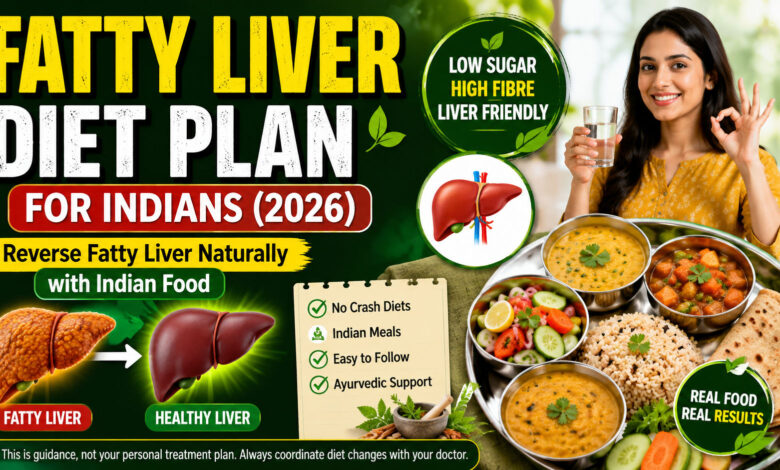
Fatty Liver Diet in India: What to Actually Eat If You Want Your Liver to Forgive You
Most people discover fatty liver the same way: routine ultrasound, random report, doctor says “It’s mild, just lose some weight and avoid oily food,” and you walk out thinking, cool, so basically nothing changes.
Then you go home, google “fatty liver,” and realise every serious source is quietly yelling the same thing: cut the sugar and refined carbs, drop the deep-fried drama, eat more fibre, and fix your plate like you actually want your liver to keep working. Ayurvedic doctors pile on: simple, warm, plant-heavy food; earlier meals; fewer packaged, fructose-heavy things; herbs that help your liver stop hating you.
This site sits right there: Indian food, early-stage fatty liver, and realistic “I still have a job and relatives” life. Not a juice cleanse fantasy.
Reality clause: This is guidance, not your personal treatment plan. Always coordinate diet changes with your doctor, especially if you have diabetes, high triglycerides or are on medication.
THE THING NOBODY ACTUALLY SAYS OUT LOUD
Nobody says this clearly, so let’s rip the band-aid:
You don’t get fatty liver because you ate ghee on your roti.
You get it from the years of sugar, refined carbs, and sitting.
Hepatologists and liver foundations have been repeating the same boring line: non-alcoholic fatty liver disease (NAFLD) is tightly linked to excess calories, especially from fructose and refined carbs, central obesity, insulin resistance and sedentary life.
In India that often means:
- multiple sweet chai a day,
- cold drinks/packaged juices,
- biscuits, namkeen, bhujia, bakery,
- white rice mountains, maida everything,
- weekend fried and “cheat meals” that are not really just weekends.
Alcohol gets all the PR as “liver enemy no.1,” but for a lot of Indians today, the real villain is sweet + refined + sitting with Netflix.
Indian liver diet plans now say this in plain words:
- excess sugar (especially fructose) goes straight to liver fat production; it’s the single most important change to tackle fatty liver.
- fried food, red meat, processed meats, maida, and ultra-processed junk are your other consistent enemies.
Ayurvedic articles don’t use the word “fructose” but they absolutely roast:
- packaged foods high in fructose and added sugar,
- extra carbs from bread, rice, potatoes, corn,
- late dinners, constant snacking, and heavy oily food for fatty liver.
The part no one puts on the pamphlet:
If you still drink cola, eat sweets 4–5 times a week, and live on maida + sedentary life, you are basically running a DIY “fatty liver subscription.”
Also, the “but I’m vegetarian and don’t drink” card? Lovely for puja invites, irrelevant for your hepatocytes. Vegetarian NAFLD is absolutely a thing when your diet is sugar, white carbs, and fried food with very little actual fibre, legumes, or movement.
The good news nobody markets hard enough: early fatty liver (grade 1–2) is usually reversible with weight loss, improved insulin sensitivity, and a liver-friendly diet especially in younger adults.
The annoying part: it needs months of boring consistency, not 7-day detoxes.
HOW THIS ACTUALLY WORKS THE REAL MECHANICS
Let’s translate “reverse fatty liver naturally” into daily food and plate logic.
1. What’s actually happening in your liver
Non-alcoholic fatty liver = excess fat stored in liver cells, often from chronic calorie excess, high sugar (especially fructose), refined carbs, and insulin resistance.
Mechanically:
- Big sugar and refined carb intake → body converts excess into triglycerides → liver stores fat.
- Visceral fat and inactivity worsen insulin resistance → even more fat gets stored in the liver instead of being burned.
So diet has two main goals:
- reduce incoming fat-making fuel (refined carbs, sugar, excess calories),
- improve the body’s willingness to burn fat (weight loss, fibre, protein, movement).
2. The “eat more of this” list (Indian kitchen edition)
Indian gastro and diagnostic guides say your daily base should be:
- Vegetables lots of them, especially leafy greens (palak, methi, sarson), gourds, cruciferous veg, beets, carrots, tomatoes.
- Cruciferous veg (cauliflower, broccoli, cabbage) and greens support liver enzyme function and antioxidant defence.
- Pulses & legumes moong, masoor, chana, rajma, chole, sprouts: high fibre + plant protein.
- Whole grains brown or red rice, oats, daliya, whole wheat, millets (jowar, bajra, ragi); portion controlled.
- Healthy fats small amounts of mustard or groundnut oil, olive oil when available, walnuts, almonds, flax seeds, some avocado.
- Protein eggs, fish (rohu, katla, salmon), skinless chicken, paneer in moderation, curd, tofu, dals.
- Fruits amla, lemon, papaya, guava, pear, pomegranate, low-GI, high-fibre fruits; keep very sweet fruits limited.
- Coffee and green tea 2–3 cups a day (without sugar) are consistently associated with less liver fat and slower progression in NAFLD.
Ayurvedic fatty-liver diets overlay this with: simple, plant-heavy plates, more raw salad before meals in some systems (like DIP diet), early meals, no packaged junk, and high-fibre, low-oil cooking.
3. The “strictly limit/avoid” bucket
Across Indian hospital, diagnostic and Ayurveda sources, this list looks depressingly similar:
- Sugar and high-fructose foods:
- mithai, halwa, kheer, barfi, cakes, pastries, biscuits, sugary breakfast cereals,
- cold drinks, packaged juices, energy drinks, sweetened tea/coffee.
- Fructose-heavy packaged foods and sweet drinks are called out as major drivers of liver fat.
- Refined carbs: white bread, maida-based rotis and parathas, naan, bhatura, white rice in excess, many bakery items.
- Deep-fried and junk food: pakodas, samosas, fries, chips, namkeen, fast food, Indo-Chinese in oil lakes.
- Processed and red meat: sausages, bacon, processed cold cuts, frequent red meat.
- Excess full-fat dairy, cream, butter and ghee in large amounts.
- Alcohol: almost every liver specialist says if you already have fatty liver, alcohol should be completely avoided.
Ayurveda amps it up:
- avoid all processed/packaged foods and sweetened drinks,
- cut extra carbs (bread, grits, rice, potatoes, corn) and sugar-rich drinks,
- start at least 12 hours fasting window and use low-carb patterns to push the body into burning stored fat.
4. Weight loss and movement the part no one can outsource
Liver-specific diets keep coming back to one unglamorous fact:
losing around 7–10% of body weight in overweight NAFLD patients significantly improves liver fat and inflammation in many cases.
Indian plans therefore pair diet with:
- 30+ minutes of exercise daily (brisk walk, cycling, yoga, anything sustainable),
- avoiding late-night eating and skipping meals,
- fixed meal times to reduce grazing.
Ayurvedic protocols add: early dinner, mindful eating, stress control, proper sleep, sometimes supervised panchakarma for more advanced cases.
So the mechanics aren’t mysterious: less sugar and refined junk coming in, more fibre, protein and healthy fat, modest calorie deficit, daily movement, and giving your liver months of not being attacked.
COMPARISON WHAT’S ACTUALLY DIFFERENT BETWEEN YOUR OPTIONS
Approaches People Take for Fatty Liver (Beyond Just Praying at Ultrasound Time)
| Option | What it actually does | Who it’s for | The catch |
| “Just stop fried food” | Cuts some damage but leaves sugar and refined carbs untouched. | People who want minimal change | Often not enough to significantly reverse fat if calories still high. |
| Calorie-cut + any random “diet” | Can reduce weight and help liver fat somewhat. | Those who focus on weight only | If high sugar and junk remain, liver improvement is partial. |
| Mediterranean-style Indian tweak | High veg, pulses, whole grains, nuts, olive/mustard oil, fish, low sugar/junk; strongly protective for liver. | Most people wanting sustainable reversal | Needs cooking and habit changes; slower but real. |
| Ayurvedic fatty-liver plan | Simple, plant-heavy, early meals, low fructose and carbs, herbs, sometimes fasting. | Those who like Ayurveda and lifestyle protocols | Works best paired with medical monitoring; not a magic herb-only fix. |
| “Detox” juices / 7-day cleanses | Temporary calorie drop and water weight loss. | People in panic after diagnosis | No lasting change, often too much fructose from juices for liver. |
If you actually want to reverse early fatty liver, the smart middle is clear: a Mediterranean-ish Indian pattern (veg, pulses, whole grains, healthy fats, low sugar/junk) with some Ayurvedic rules around timing and simplicity not short-term juice punishment.
WHAT ACTUALLY HAPPENS WHEN YOU TRY THIS
When you finally decide, “Okay, fatty liver reversal, let’s do this,” your day doesn’t suddenly look spiritual.
It looks slightly less fun for a bit.
You start doing what every Indian liver guide annoyingly suggests:
- Morning: warm water with lemon or jeera, maybe amla or simple fruit; no sugary tea first thing.
- Breakfast: moong dal chilla with paneer, veg upma or daliya, oats with veg, or idli–sambar not bread–butter and 3 spoons of sugar chai.
- Mid-morning: fruit like guava or papaya, or a handful of nuts/seeds.
- Lunch: half plate sabzi and salad, a small serving of brown/red rice or 2 phulkas/dry rotis, dal/chana/rajma, maybe some curd.
- Evening: green tea or black coffee without sugar, roasted chana, sprouts, or makhana not bhujia, pakoda and biscuits daily.
- Dinner: lighter version of lunch lauki or pumpkin soup, stir-fried veg + dal, grilled paneer/tofu/chicken with veggies, small grain portion.
Ayurvedic-style tweaks on top:
- early dinner,
- 12+ hour overnight fasting window,
- cumin seeds or triphala at night sometimes,
- absolutely no packaged, fructose-heavy or deep-fried junk.
What surprised me when I watched people follow this for a few months (and not fake it):
- Energy became less “post-lunch coma” and more stable.
- Cravings for sugar dropped once tea/coffee and drinks lost their sugar hit and meals got more protein and fibre.
- Waist measurements started dropping even before big changes on the scale, which matches what liver and obesity guidelines say about visceral fat loss.
- Follow-up ultrasounds and liver enzymes for some moved from “fatty liver grade II” towards milder changes when combined with 30–40 minutes of daily walking and weight loss.
The pattern articles miss: the social stuff.
- Office “chai + biscuit” rounds,
- weekend biryani + dessert,
- every birthday = cake + cold drink,
- “yaar, just this once” food deliveries.
Most hepatology advice is blunt on this: alcohol gone, sugar drinks gone, sweets rare and small; restaurant/fried food cut down sharply.
Ayurvedic writers basically say: treat packaged and deep-fried stuff as occasional poison, not weekly therapy.
When you actually do that when cola becomes “2–3 times a year” instead of “3 times a week” reversal stops being theory and starts showing up in your lab reports.
You don’t wake up one day with a brand-new liver.
You just slowly stop attacking the one you have.
THE ADVICE EVERYONE GIVES VS WHAT ACTUALLY WORKS
“Just eat less oil, liver will be fine.”
Oil matters, but it’s not the full story.
Guides do say to limit deep fried food and saturated fats, and to cook with small amounts of mustard, groundnut, olive or similar oils.
But they also hammer: excess sugar and refined carbs not just oil drive liver fat hard.
Opinion: blaming only oil is comforting because it lets you keep the biscuits and cola. The liver is not fooled.
“Go on a detox juice cleanse, flush the liver.”
Juice cleanses are basically high-fructose floods with fewer calories for a few days.
Liver and NAFLD guidelines never recommend fruit juice as treatment; they actually say avoid fruit juices and sugar-heavy drinks if you want to reduce liver fat.
Real alternative:
- whole fruits, not juice,
- long-term low-sugar, high-fibre eating,
- moderate calorie deficit and movement.
That’s what shows up in actual reversal plans not 5 days of green liquid hell.
“If you’re vegetarian and don’t drink, fatty liver can’t be serious.”
Clinical reality says otherwise.
Indian NAFLD clinics see vegetarian, non-drinking patients all the time who live on white rice, roti, potatoes, sweets, sugary chai and processed snacks with almost zero movement.
Real alternative: check your plate pattern honestly.
Vegetarian help comes from dal, beans, veg, whole grains and nuts not from extra rasgulla.
“Ayurvedic herbs alone can reverse fatty liver.”
Ayurvedic literature does have liver-supportive herbs: bhumi amla, katuki, turmeric, amla, guduchi, triphala and more, with some emerging evidence for benefit.
But those same sources also demand: low fructose, low refined carbs, no packaged foods, early meals, fasting windows, movement and sleep.
Opinion: herbs can be excellent supporting actors. The main role is still played by your daily food, steps, and whether you stop drinking your sugar.
THE PRACTICAL PART WHAT TO ACTUALLY DO
1. Decide your “sugar and drink rules” today
Make one clear rule, not a vague intention:
- no cold drinks or packaged juices at home,
- sugar in tea/coffee cut to 0–1 tsp max per cup, and max 2–3 cups/day,
- sweets = 1–2 times a week max, small portion.
Most liver experts say cutting liquid sugar and frequent sweets is the big lever for NAFLD.
2. Build a “liver plate” template
For lunch and dinner, follow the standard that liver and obesity foundations keep repeating:
- ½ plate: non-starchy vegetables and salad.
- ¼ plate: whole grain or starchy veg (small portion brown/red rice, 1–2 phulkas, millet, or one starchy veg).
- ¼ plate: lean protein (dal, chana, rajma, paneer, tofu, egg, fish or chicken).
This automatically lowers calories and boosts fibre without needing a calculator.
3. Fix breakfast so it stops being dessert
Pick 3–4 breakfasts from what Indian fatty-liver diets actually recommend:
- moong dal chilla with paneer or veg,
- veg upma or daliya,
- oats with vegetables and a boiled egg or curd,
- idli with sambar (light oil).
Retire daily bread–butter–jam + sugar chai from “default” to “rare nostalgia.”
4. Choose 2–3 smart swaps you can live with
Examples that show up in Indian liver meal plans:
- White rice → brown/red rice, or smaller rice serving + more dal and veg.
- Maida rotis/naan → whole wheat or millet rotis.
- Evening bhujia/biscuits → roasted chana, sprouts, makhana, nuts.
- Creamy gravies → tomato/onion-based gravies with less oil and no cream.
Write these swaps down; don’t rely on “will remember” brain.
5. Add 2–3 realistic Ayurvedic habits
From current Ayurvedic fatty liver guidance:pmc.
- Adopt a 12-hour overnight fast (e.g., last meal 8 pm, next meal 8 am).
- Eat your heaviest meal at lunch, lightest at dinner; avoid late-night eating.
- Use more bitter and astringent foods (karela, methi, green leafy veg, amla) and cumin/coriander/fennel in cooking.
- If working with an Ayurvedic doctor, consider herbs like bhumi amla, triphala, guduchi under supervision.
The point is to reduce liver load, not torture yourself.
6. Move your body like you actually mean it
Aim for at least 30 minutes daily brisk walking is fine and build up if you can.
Add 2–3 days of simple strength work per week if possible (body-weight squats, pushups, resistance bands).
Every guideline pairs diet with movement for fatty liver reversal; there’s no version where you casually out-eat the couch.
QUESTIONS PEOPLE ACTUALLY ASK
Can fatty liver be reversed naturally with diet in India?
Yes, especially in early stages and in younger people.
Weight loss of about 7–10% of body weight, combined with a liver-friendly diet low in sugar and refined carbs and high in fibre, protein and healthy fats, can significantly reduce liver fat for many.
Indian meal plans using vegetables, pulses, whole grains, nuts, seeds and lean protein show good outcomes when followed consistently alongside movement and medical care.
What are the best Indian foods to eat for fatty liver?
Great options include: leafy greens (palak, methi, sarson), gourds, cruciferous vegetables, dals, chana, rajma, sprouts, brown/red rice, oats, millets, walnuts, almonds, flax seeds, curd, paneer in moderation, eggs, fish and skinless chicken.
Fruits like amla, papaya, guava, pear and pomegranate are also encouraged in moderate amounts.
Many plans also recommend 2–3 cups of unsweetened coffee or green tea per day.
Which Indian foods should I avoid if I have fatty liver?
Avoid or sharply limit: deep-fried foods (pakoda, samosa, fries), chips and namkeen, sugary sweets and desserts, cold drinks and packaged juices, foods made with maida (white bread, naan, bhatura, bakery items), processed meats and very fatty red meats.
High-sugar packaged foods and drinks rich in fructose are singled out as especially harmful.
Alcohol should be completely avoided if you already have fatty liver.
Is coffee good or bad for fatty liver?
Surprisingly good, if you don’t abuse sugar.
Multiple liver diet resources mention that 2–3 cups of coffee per day are associated with less liver fat and slower disease progression in NAFLD.
The catch: drink it without sugar and cream-heavy add-ons.
How does an Ayurvedic diet approach fatty liver?
Ayurvedic fatty-liver diets focus on simple, natural meals that reduce liver load and improve digestion.
They emphasise early meals, at least 12 hours fasting between dinner and breakfast, cutting packaged/fructose-heavy foods, eating more bitter and astringent foods, and using herbs like bhumi amla, katuki, amla, turmeric and triphala under guidance.
Lifestyle pillars like daily movement, stress reduction and good sleep are seen as part of the treatment, not extras.
Do I have to stop eating rice for fatty liver?
Not always, but portions and type matter.
Many Indian fatty-liver diet plans suggest swapping large portions of white rice for smaller servings of brown or red rice, or reducing rice while increasing vegetables and pulses.
The main goal is controlling total calories and refined carbs, not banning one grain forever.
How long does it take to reverse fatty liver with diet?
There’s no one timeline, but with consistent diet changes, weight loss and movement, some people see improvement in liver enzymes and imaging in a few months.
More advanced disease takes longer and may not fully reverse, which is why early, boring consistency works better than late panic.
Regular follow-up with your doctor and repeat scans/lab tests are the only way to know what’s happening inside.
Can I drink alcohol occasionally if I have fatty liver?
Most liver specialists say no.
If fatty liver is already present, even moderate alcohol can accelerate damage and push you towards inflammation and scarring.
If your doctor ever allows alcohol back, it’s usually after clear improvement and in very strictly limited amounts definitely not something to decide alone.
SO WHERE DOES THIS LEAVE YOU
You’re still the same person who casually discovered “fatty liver grade 1/2” on a report.
You’re also now the person who knows this is reversible if you stop treating your liver like a dustbin with feelings.
Every credible Indian and global source is saying the same boring thing:
- cut the sugar and refined junk;
- eat more vegetables, pulses, grains in their whole form, nuts, decent protein and healthy fats;
- move more, drink less (or zero) alcohol, and sleep like a mammal, not a machine.
If you want one concrete thing today, try this:
For the next 14 days, make a strict rule no cold drinks or packaged juices, no sweets on weekdays, and replace your biggest daily refined carb (extra white rice or maida) with a whole-grain or dal-heavy version. Pair it with a daily 30-minute brisk walk.
It’s not heroic. It’s not Instagrammable.
But it’s exactly the kind of slow, boring pressure that makes your next ultrasound a much less awkward conversation.
You reached the end of an article about fatty liver, which means you’re either really worried or quietly serious. Good.
You don’t need imported supplements or a liquid diet. You need your next thali and your next week to look different from the last five years.
Keep the food Indian, the sugar low, the movement daily, and the excuses occasional instead of the other way around.
Your liver will complain less. Your reports will too.


One Comment